
Female cloths are an essential part of every woman’s wardrobe, but choosing the right fit can often be challenging. Wearing ill-fitting garments can make even the most expensive clothing look unappealing, while properly fitted female cloths can enhance confidence, comfort, and style.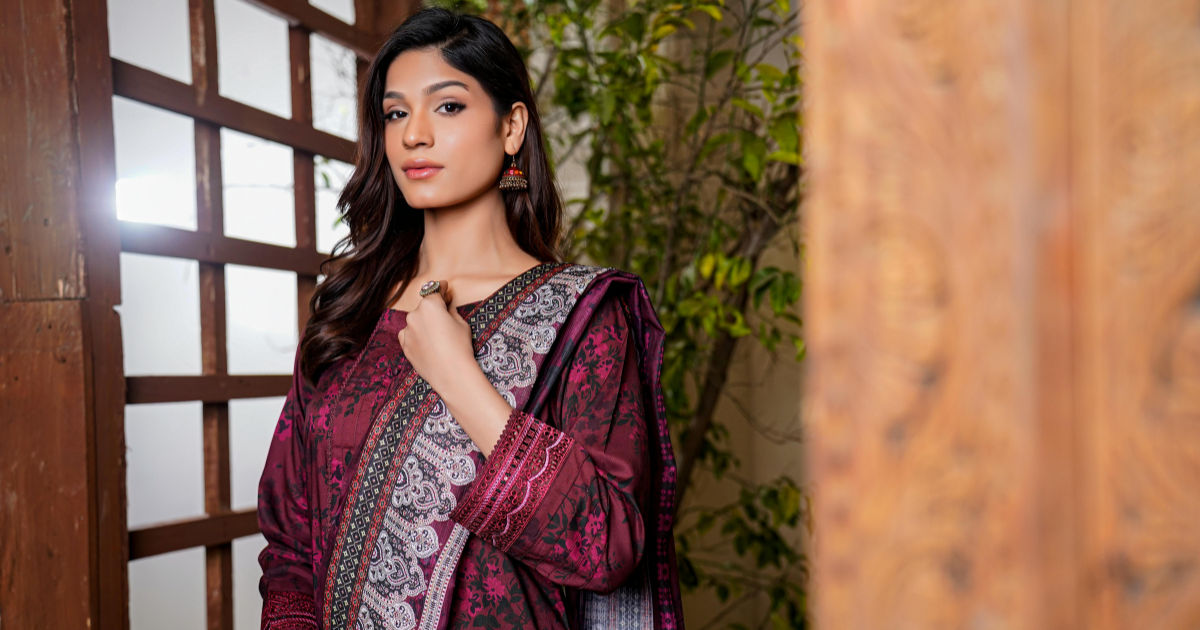
This guide will help you understand how to choose female cloths that fit perfectly, taking into account body type, fabric, style, and occasion. By the end of this article, you will have a clear roadmap to make informed choices for every outfit.
Why Proper Fit Matters in Female Cloths
The importance of properly fitting female cloths cannot be overstated. The right fit can:
-
Highlight your body’s natural shape without exaggerating flaws.
-
Improve comfort, allowing you to move freely throughout the day.
-
Enhance your personal style and boost confidence.
-
Prevent wear and tear caused by stretching or sagging.
Wearing female cloths that are too tight can restrict movement and appear uncomfortable, while overly loose clothing can look sloppy. Striking the perfect balance is key.
Understanding Your Body Shape
Before choosing female cloths, it is vital to understand your body shape. Different body types look better in certain cuts, designs, and fits. Here are the most common female body types:
Hourglass
An hourglass figure is characterized by a well-defined waist and proportional bust and hips. Female cloths that cinch at the waist or feature tailored cuts enhance this natural shape.
Pear
A pear-shaped body has a smaller upper body and wider hips. A-line skirts, structured tops, and flared pants balance proportions effectively.
Apple
Apple-shaped bodies carry weight around the midsection. High-waisted trousers, empire waist dresses, and tops that elongate the torso help create a flattering silhouette.
Rectangle
Rectangular body types have minimal waist definition. Female cloths that add curves, like peplum tops or belted dresses, create the illusion of a waistline.
Inverted Triangle
This body type has broader shoulders and a smaller lower body. Flared skirts, wide-leg pants, and V-neck tops balance the upper body and enhance overall proportion.
Understanding your body type helps you select female cloths that fit well and look flattering.
Measuring Yourself for the Perfect Fit
Accurate measurements are the foundation of properly fitted female cloths. Take the following steps to measure yourself:
-
Bust: Measure around the fullest part of your chest while wearing a well-fitting bra.
-
Waist: Measure around the narrowest part of your waist.
-
Hips: Measure around the widest part of your hips and buttocks.
-
Torso Length: From the shoulder to the natural waistline.
-
Inseam: From the crotch to the ankle for pants.
-
Sleeve Length: From shoulder to wrist for shirts and jackets.
Use these measurements to compare with clothing size charts. Remember, sizes vary across brands, so relying solely on size numbers can lead to mistakes.
How Different Female Cloths Should Fit
Different types of female cloths require specific fitting guidelines to ensure comfort and style.
Tops and Blouses
-
Shoulders: The seam should align with the edge of your shoulder.
-
Bust: There should be no pulling or gaping around buttons.
-
Length: Tops can be tucked or untucked, but should reach the hip bone comfortably.
Dresses
-
Bust and Waist: Dresses should highlight your waist without causing tightness.
-
Hips: Form-fitting dresses must allow movement.
-
Sleeves: Ensure sleeves fit comfortably without restricting arm movement.
-
Neckline: Choose a neckline that suits your body type and comfort level.
Pants and Skirts
-
Waist: Should sit snugly without causing bulging.
-
Hips and Thighs: Should allow freedom of movement.
-
Length: Pants should graze the ankle or shoe as intended by the style.
-
Skirts: Pencil skirts should contour without restricting motion, and flared skirts should flow naturally.
Jackets and Outerwear
-
Shoulders: Seams should align with natural shoulders.
-
Arms: Allow layering without tightness.
-
Length: Jackets should complement the outfit underneath.
Activewear
-
Stretch: Should allow full range of motion.
-
Support: Sports bras and leggings should provide adequate support and coverage.
Undergarments
Properly fitting undergarments are critical because they serve as the foundation for all female cloths. Bras, panties, and shapewear should fit snugly but not restrict breathing or movement.
Fabric Choice and Its Role in Fit
The type of fabric significantly affects how female cloths fit and feel.
-
Cotton: Comfortable and breathable, ideal for casual wear, but may shrink after washing.
-
Silk: Luxurious and drapes beautifully, but requires careful fitting and handling.
-
Polyester: Durable and wrinkle-resistant, can be forgiving for various fits.
-
Denim: Sturdy, often with minimal stretch; requires precise sizing for comfort.
-
Spandex/Elastane: Offers flexibility and snug fit, commonly used in activewear and bodycon dresses.
Knowing how fabrics behave helps in selecting female cloths that retain shape and comfort throughout the day.
Tips for Trying On Female Cloths
When trying on female cloths, keep these tips in mind:
-
Always try on the garment in motion – sit, bend, and walk around to ensure comfort.
-
Check for pulling, gaping, or bunching in critical areas.
-
Ensure that sleeves and pant legs reach the intended length.
-
Avoid relying solely on size numbers; focus on fit and comfort.
-
Consider layers if wearing multiple female cloths together.
Adjusting Ill-Fitting Female Cloths
Even with careful selection, sometimes female cloths need minor adjustments. Common alterations include:
-
Hemming: Adjust pant, skirt, or dress length.
-
Taking in or letting out seams: Modify waist, hips, or bust for a tailored fit.
-
Shortening sleeves: Ensures proper arm movement and appearance.
-
Adding darts or pleats: Improves shape and contour.
Professional tailoring is worth the investment to achieve a polished look.
Common Fit Mistakes to Avoid
Avoid these common errors when selecting female cloths:
-
Choosing sizes too small or too large.
-
Ignoring body proportions and personal shape.
-
Overlooking fabric stretch and behavior.
-
Focusing solely on trends instead of comfort.
-
Skipping proper undergarments that enhance fit.
Learning from these mistakes ensures that your wardrobe consistently looks well-fitted and stylish.
Seasonal and Occasion-Based Fitting
Female cloths may need different considerations depending on the season and occasion:
-
Summer: Light, breathable fabrics that allow movement.
-
Winter: Layered clothing that accommodates warmth without bulkiness.
-
Formal Events: Tailored female cloths that maintain shape and structure.
-
Casual Outings: Comfortable, relaxed fits for ease of movement.
Adapting fit according to context enhances both comfort and style.
Shopping Tips for Perfect Fit Female Cloths
Here are strategies to shop smartly for female cloths:
-
Know Your Measurements: Keep a record of bust, waist, and hip sizes.
-
Check Size Guides: Compare with the brand’s chart before purchasing.
-
Read Reviews: Customer feedback often highlights fit accuracy.
-
Try Different Styles: Even the same size can fit differently in varied cuts.
-
Invest in Staples: Well-fitted basics like shirts, trousers, and dresses are wardrobe essentials.
Caring for Female Cloths to Maintain Fit
Proper care preserves the fit and longevity of female cloths:
-
Follow washing instructions on labels.
-
Avoid over-drying or using high heat for delicate fabrics.
-
Store garments properly to prevent stretching or misshaping.
-
Rotate frequently worn items to reduce wear and tear.
-
Use hangers and garment bags for structured clothing like jackets or dresses.
Taking care of female cloths ensures they retain shape, comfort, and style over time.
Conclusion
The perfect fit in female cloths is not just about size—it’s about understanding your body, measuring accurately, selecting the right fabrics, and making adjustments when needed. Properly fitted female cloths enhance appearance, boost confidence, and increase comfort in daily life. By learning to identify your body type, taking precise measurements, and following the tips outlined in this guide, you can make informed decisions that elevate your wardrobe. Remember, fit, function, and comfort should always come first before trends. Invest time in understanding your ideal fit, and your female cloths will always look polished, stylish, and flattering.