
Aluminum Composite Panels have become a popular choice in modern construction, architecture, and interior design due to their lightweight nature, versatility, and impressive durability. From skyscrapers to residential buildings, these panels are widely used because they combine strength with aesthetic appeal.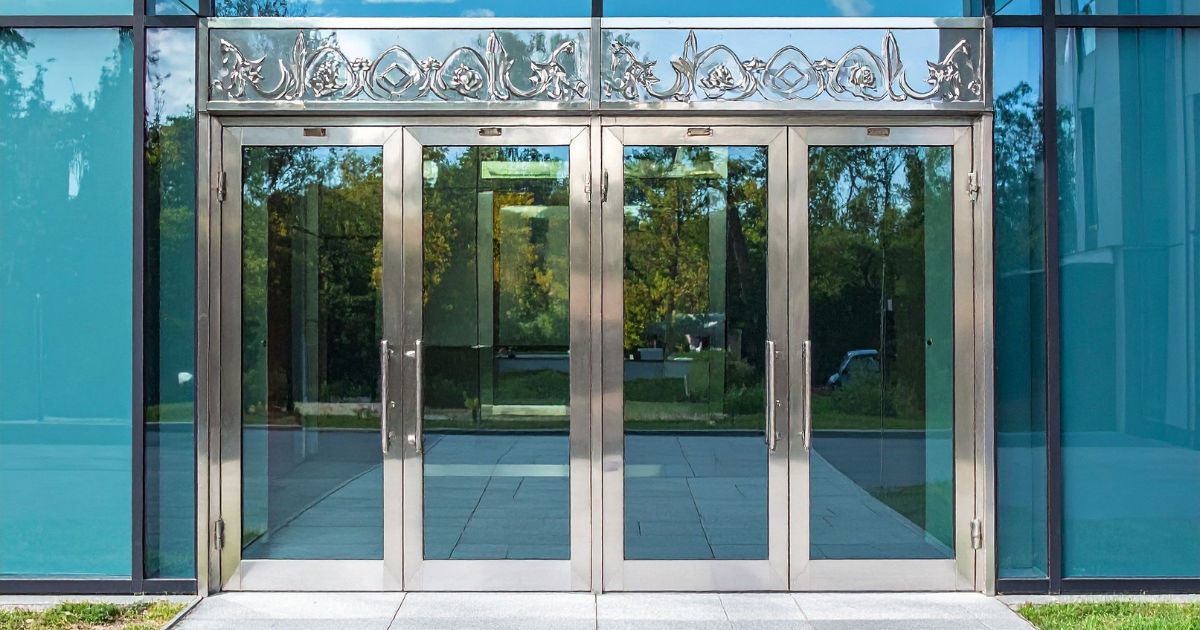
Understanding just how strong Aluminum Composite Panels are, how they are constructed, and their applications can help homeowners, builders, and designers make informed decisions when selecting materials for various projects.
What Are Aluminum Composite Panels?
Aluminum Composite Panels, often abbreviated as ACPs, are flat panels consisting of two thin aluminum sheets bonded to a non-aluminum core. The core can vary depending on the application, ranging from fire-resistant materials to polyethylene or mineral-filled layers. This combination of materials gives ACPs a unique balance of lightness and strength.
The manufacturing process involves bonding the aluminum sheets to the core using adhesives and high-pressure techniques. This ensures that the panels maintain structural integrity while remaining flexible enough to be shaped and installed in different forms.
The Strength of Aluminum Composite Panels
When discussing the strength of Aluminum Composite Panels, several factors come into play, including tensile strength, impact resistance, fire resistance, and weather durability. Each factor contributes to why these panels are preferred in construction and architectural design.
Tensile Strength
Tensile strength refers to the ability of a material to withstand tension without breaking. Aluminum sheets used in ACPs are typically 0.3 mm to 0.5 mm thick and have high tensile strength, often ranging from 70 to 100 MPa. The core also contributes to the panel’s overall tensile strength, allowing it to resist bending or warping under pressure.
This combination makes Aluminum Composite Panels strong enough to handle wind loads in high-rise buildings and pressure from external forces while remaining lightweight.
Impact Resistance
Another critical measure of strength is impact resistance. ACPs can endure significant external force without permanent deformation, thanks to the flexible core material and durable aluminum sheets. This makes them ideal for areas prone to heavy wind, hail, or accidental impacts during construction or daily use.
Fire Resistance
Aluminum Composite Panels come in various fire-resistant grades. Panels with mineral-filled or fire-retardant cores can withstand high temperatures and prevent the spread of flames. This property adds another layer of strength, not in terms of physical pressure, but in safety, making ACPs suitable for both commercial and residential buildings.
Weather Durability
One of the hallmarks of Aluminum Composite Panels is their ability to resist weathering. The aluminum layers are often coated with protective finishes, such as PVDF (polyvinylidene fluoride), which prevents corrosion, fading, and wear caused by exposure to sunlight, rain, or pollution.
The combination of corrosion resistance, lightweight design, and structural strength ensures that ACPs can last for decades without losing their integrity or visual appeal.
How Aluminum Composite Panels Compare to Other Materials
Comparing Aluminum Composite Panels to traditional building materials helps illustrate their strength and advantages.
ACPs vs. Solid Aluminum Sheets
While solid aluminum sheets are strong, they are heavier and less flexible than ACPs. ACPs maintain strength while reducing weight by up to 80%, making them easier to handle and install without compromising durability.
ACPs vs. Wood Panels
Wood panels are aesthetically pleasing but are vulnerable to moisture, termites, and warping. In contrast, Aluminum Composite Panels offer similar aesthetic flexibility with far superior durability and resistance to environmental damage.
ACPs vs. Concrete Panels
Concrete panels are strong but extremely heavy. Aluminum Composite Panels provide a lightweight alternative that can be installed quickly, reducing labor costs while still delivering sufficient structural integrity for cladding and facade applications.
Applications of Aluminum Composite Panels
The strength and versatility of Aluminum Composite Panels make them suitable for a wide range of applications.
Building Facades
High-rise buildings, commercial complexes, and residential structures often use ACPs for facades. Their strength allows them to withstand wind loads, temperature fluctuations, and external impacts, while their smooth surface provides a modern, stylish look.
Interior Design
ACPs are also used in interior applications such as wall panels, ceiling cladding, and decorative partitions. They offer aesthetic appeal without adding excessive weight, which is especially valuable in remodeling projects.
Signage and Advertisement
Another practical application is in signage and advertising boards. ACPs’ rigidity ensures that signs remain straight and durable, even in outdoor conditions, while their smooth finish makes them ideal for high-quality printing and graphics.
Transportation
In the automotive and transportation sectors, Aluminum Composite Panels are used for vehicle bodies, train interiors, and airport panels due to their lightweight nature and impact resistance. This reduces the overall weight of vehicles while maintaining strength and safety standards.
Factors That Affect the Strength of Aluminum Composite Panels
While ACPs are strong, certain factors can affect their performance. Understanding these factors helps in selecting the right panels for specific projects.
Panel Thickness
Thicker aluminum layers and core materials generally provide higher strength. Panels typically range from 3 mm to 6 mm in thickness, with heavier-duty panels used in industrial or high-stress applications.
Core Material
The type of core material—polyethylene, mineral, or fire-resistant—affects both impact resistance and fire safety. Selecting the appropriate core ensures optimal strength for the intended application.
Coating Quality
High-quality coatings not only enhance aesthetics but also contribute to long-term durability. Coatings protect the aluminum from corrosion, UV degradation, and environmental wear.
Installation Technique
Proper installation is essential for maintaining panel strength. Incorrect fastening or inadequate support structures can compromise the panel’s performance, regardless of its intrinsic strength.
Maintenance and Longevity of Aluminum Composite Panels
The strength of Aluminum Composite Panels is enhanced by proper maintenance. Cleaning with mild detergents and avoiding abrasive materials ensures that protective coatings remain intact. Inspections for dents, scratches, or separation of layers can prevent small issues from becoming major problems.
With minimal maintenance, ACPs can last 20-50 years, depending on environmental conditions and usage. This long lifespan, combined with strength and lightweight construction, makes them cost-effective over time.
Advantages of Using Aluminum Composite Panels
The use of ACPs brings numerous benefits beyond strength:
-
Lightweight: Easier handling and reduced structural load.
-
Durable: Resistant to impact, weather, and corrosion.
-
Flexible: Can be bent, shaped, and fabricated for custom designs.
-
Aesthetic: Available in a wide range of colors, textures, and finishes.
-
Fire Safety: Fire-resistant options improve building safety.
-
Eco-friendly: Many ACPs are recyclable and sustainable.
Common Misconceptions About ACP Strength
Despite their widespread use, some people have misconceptions about the strength of Aluminum Composite Panels:
-
“ACPs are weak because they are thin.”
Thin aluminum sheets are bonded to a strong core, creating a composite material that is surprisingly robust. -
“They can’t handle extreme weather.”
Properly coated ACPs can withstand harsh sunlight, heavy rain, and strong winds for decades. -
“Only for decorative purposes.”
ACPs are not just decorative; they contribute to structural integrity, particularly in cladding and facade applications.
Innovations in Aluminum Composite Panel Technology
The strength of ACPs continues to improve with technological advancements:
-
Fire-Resistant Panels: New cores with enhanced fire retardant properties improve safety without compromising strength.
-
Nano-Coatings: Advanced coatings provide higher resistance to scratches, UV rays, and corrosion.
-
Lightweight Core Technology: Innovations in core materials reduce weight further while maintaining structural performance.
These innovations expand the applications of ACPs, making them suitable for taller buildings, extreme climates, and even specialized industrial uses.
How to Choose the Right Aluminum Composite Panels
When selecting ACPs, consider the following:
-
Application: Exterior facade, interior paneling, signage, or industrial use.
-
Thickness and Strength: Ensure adequate thickness for structural and impact requirements.
-
Core Type: Fire-retardant cores for safety, polyethylene cores for general use.
-
Finish: Coating type affects longevity, maintenance, and appearance.
-
Installation Requirements: Some ACPs require specialized mounting systems or support structures.
Consulting with manufacturers and architects ensures that you choose panels that meet both aesthetic and structural requirements.
Conclusion
Aluminum Composite Panels are a remarkable combination of strength, flexibility, and aesthetic appeal. Their lightweight design does not compromise their ability to resist tension, impact, weather, or fire. With proper selection, installation, and maintenance, ACPs can last for decades while enhancing the beauty and functionality of buildings.
Whether used in high-rise facades, interior designs, signage, or transportation, Aluminum Composite Panels demonstrate exceptional performance that makes them a preferred choice in modern construction. Innovations continue to enhance their properties, further solidifying their role as a reliable, strong, and versatile material in architecture and design.
By understanding how strong Aluminum Composite Panels are, you can make informed decisions, ensuring safety, durability, and aesthetic satisfaction in every project.