
The rise of the Personal AI companion is changing the way people interact with technology in daily life. A Personal AI companion is no longer just a simple chatbot or voice assistant. Instead, it is becoming a smart, adaptive system that understands human needs, emotions, and habits.
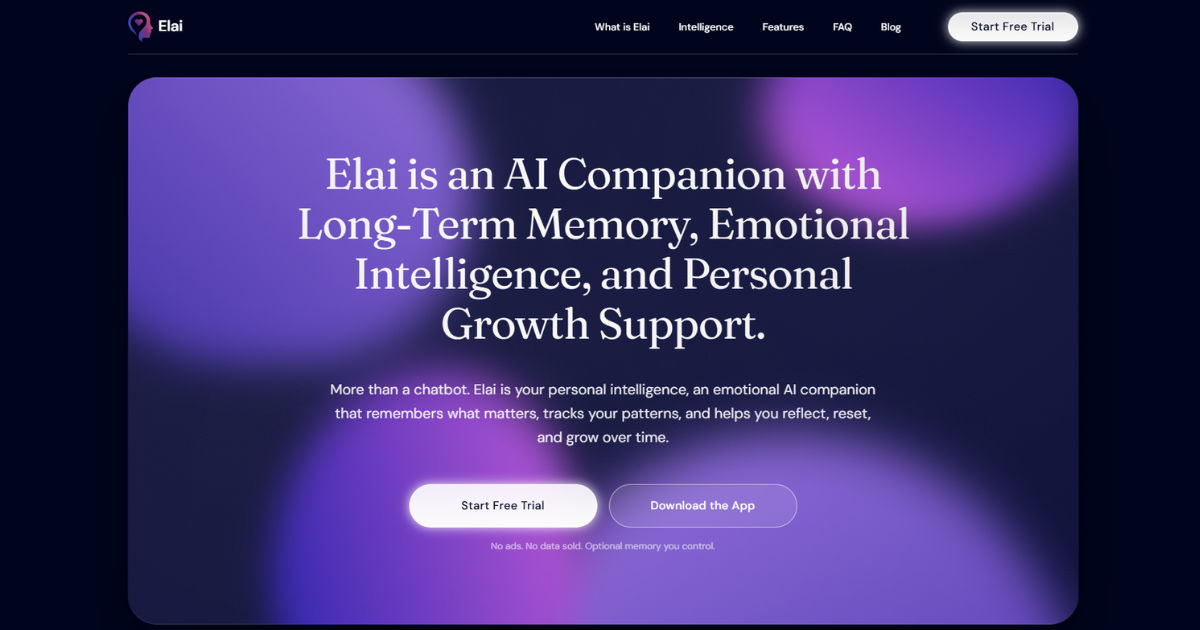 A Personal AI companion can help with learning, work, communication, and even emotional support. As technology improves, the idea of a Personal AI companion is becoming more natural and deeply integrated into everyday life.
In the modern digital world, people want tools that feel more human and responsive. This is where the Personal AI companion plays a major role.
It is designed to learn from user behavior and provide personalized responses. A Personal AI companion can remember preferences, suggest solutions, and even hold meaningful conversations. This makes the Personal AI companion feel less like a machine and more like a digital friend.
As artificial intelligence continues to evolve, the Personal AI companion is expected to become even more advanced. It will not only respond to commands but also anticipate needs.
The growth of the Personal AI companion reflects a major shift in how humans and machines connect, making digital life more interactive and supportive.
Understanding the Concept of a Personal AI Companion
A Personal AI companion is an intelligent digital system designed to interact with users in a personalized way. Unlike traditional software, a Personal AI companion adapts to the user’s habits, preferences, and communication style. This makes every interaction feel unique and natural.
A Personal AI companion uses artificial intelligence technologies like machine learning and natural language processing. These technologies allow the Personal AI companion to understand human language and respond appropriately. Over time, the Personal AI companion improves its responses by learning from past interactions.
One of the most important features of a Personal AI companion is its ability to simulate conversation. This means the Personal AI companion can talk, answer questions, and even provide advice. Many users find that the Personal AI companion helps them stay organized and reduces daily stress.
In simple terms, a Personal AI companion is like a digital assistant that grows smarter the more you use it. It becomes a part of your digital routine, making technology feel more personal and human-like.
How a Personal AI Companion Evolves Over Time
The evolution of a Personal AI companion happens through continuous learning. When a user interacts with a Personal AI companion, it collects data about preferences, habits, and communication patterns. This helps the Personal AI companion improve future interactions.
At the early stage, a Personal AI companion may only perform basic tasks like answering questions or setting reminders. However, as it learns more, the Personal AI companion begins to understand context. This allows the Personal AI companion to provide more accurate and meaningful responses.
Another important aspect is adaptability. A Personal AI companion adjusts its behavior based on user feedback. If a response is not helpful, the Personal AI companion learns from it and improves next time. This continuous improvement process makes the Personal AI companion more reliable and intelligent.
Over time, the Personal AI companion becomes more than just a tool. It turns into a supportive digital presence that understands user needs deeply and responds in a human-like manner.
Key Technologies Behind a Personal AI Companion
A Personal AI companion is powered by several advanced technologies that work together to create intelligent behavior. One of the main technologies is machine learning, which allows the Personal AI companion to learn from data and improve over time.
Natural language processing is another key technology. It helps the Personal AI companion understand human language, including slang, tone, and context. This makes communication with the Personal AI companion feel more natural and less robotic.
Cloud computing also plays an important role. A Personal AI companion often relies on cloud systems to store and process large amounts of data. This allows the Personal AI companion to access information quickly and respond in real time.
Additionally, voice recognition technology helps the Personal AI companion understand spoken commands. This makes it easier for users to interact with the Personal AI companion without typing.
Together, these technologies allow the Personal AI companion to function as a smart and responsive digital partner in everyday life.
Memory and Personalization in a Personal AI Companion
Memory is one of the most powerful features of a Personal AI companion. It allows the Personal AI companion to remember important details about the user, such as preferences, routines, and interests.
With personalization, a Personal AI companion can tailor its responses to each individual. For example, the Personal AI companion might suggest music based on listening history or recommend study materials based on learning progress.
The ability to remember past conversations makes the Personal AI companion more useful over time. It does not treat every interaction as new but builds on previous knowledge. This makes the Personal AI companion feel more like a long-term digital partner.
Privacy is also an important part of memory systems. A Personal AI companion must handle data securely and responsibly. Users need to trust that their Personal AI companion is protecting their personal information while still providing helpful services.
Overall, memory and personalization are what transform a simple assistant into a true Personal AI companion.
Emotional Intelligence in a Personal AI Companion
Modern development is making the Personal AI companion more emotionally aware. Emotional intelligence allows a Personal AI companion to recognize feelings through text or voice tone.
For example, if a user sounds stressed, the Personal AI companion can respond in a calm and supportive way. This emotional understanding helps the Personal AI companion provide comfort and encouragement when needed.
A Personal AI companion can also detect positive emotions and respond with enthusiasm. This makes interactions more engaging and human-like. Emotional intelligence helps the Personal AI companion build stronger connections with users.
However, emotional AI is still developing. A Personal AI companion cannot truly feel emotions, but it can simulate understanding based on patterns. This simulation makes the Personal AI companion more relatable and supportive in daily interactions.
As this technology improves, the Personal AI companion will become even better at understanding human emotions and responding appropriately.
Daily Life Uses of a Personal AI Companion
A Personal AI companion can be used in many areas of daily life. One common use is task management. A Personal AI companion can remind users about appointments, deadlines, and important activities.
In communication, a Personal AI companion helps draft messages, emails, and responses. This saves time and improves productivity. Many people rely on a Personal AI companion to stay organized throughout the day.
A Personal AI companion can also assist with entertainment by recommending movies, music, or books based on preferences. This makes leisure time more enjoyable and personalized.
In addition, a Personal AI companion can provide information quickly. Whether it is weather updates or general knowledge, the Personal AI companion acts as a fast and reliable source of information.
Overall, the Personal AI companion has become a helpful tool in managing everyday digital life.
Personal AI Companion in Education
In education, a Personal AI companion plays a valuable role for students. It can explain complex topics in simple language, making learning easier.
A Personal AI companion can also help with homework by providing step-by-step guidance. This allows students to learn at their own pace with the support of a Personal AI companion.
Teachers can also benefit from a Personal AI companion by using it to prepare lessons or create study materials. The Personal AI companion helps save time and improves teaching efficiency.
Another advantage is personalized learning. A Personal AI companion can track a student’s progress and suggest areas for improvement. This makes learning more focused and effective.
Personal AI Companion in Work and Productivity
In the workplace, a Personal AI companion is becoming an essential productivity tool. It helps manage schedules, organize tasks, and automate repetitive work.
A Personal AI companion can also assist in writing reports, analyzing data, and generating ideas. This allows professionals to focus on more creative and important tasks.
Team communication also improves with a Personal AI companion. It can summarize meetings and highlight key points, making collaboration easier.
By reducing workload and improving efficiency, the Personal AI companion plays a key role in modern work environments.
Ethics and Privacy of a Personal AI Companion
As the Personal AI companion becomes more advanced, ethical concerns become important. One major issue is data privacy. A Personal AI companion collects personal information, so it must be protected securely.
Transparency is also important. Users should understand how a Personal AI companion uses their data. This builds trust between humans and technology.
Another concern is dependency. People may become too reliant on a Personal AI companion, reducing their ability to make independent decisions.
Developers must ensure that a Personal AI companion is designed responsibly. Ethical guidelines help ensure that the Personal AI companion remains safe and beneficial for users.
The Future of Personal AI Companion Technology
The future of the Personal AI companion is highly promising. It is expected to become more intelligent, emotional, and interactive. A future Personal AI companion may understand human behavior even more deeply.
It could integrate with smart homes, vehicles, and wearable devices. This would make the Personal AI companion a central part of everyday life.
As technology advances, the Personal AI companion may also become more proactive. Instead of waiting for commands, it could suggest actions before being asked.
The growth of the Personal AI companion will continue to shape how humans interact with digital systems in the future.
Conclusion
The development of the Personal AI companion marks a major step in artificial intelligence evolution. A Personal AI companion is no longer just a simple tool but a growing digital partner that learns, adapts, and supports users in many ways. From education and work to emotional support and daily tasks, the Personal AI companion plays an important role in modern life.
As technology continues to improve, the Personal AI companion will become even more advanced and human-like. It will reshape how people interact with machines and redefine digital companionship in the future. The journey of the Personal AI companion is just beginning, and its potential is vast and exciting.