
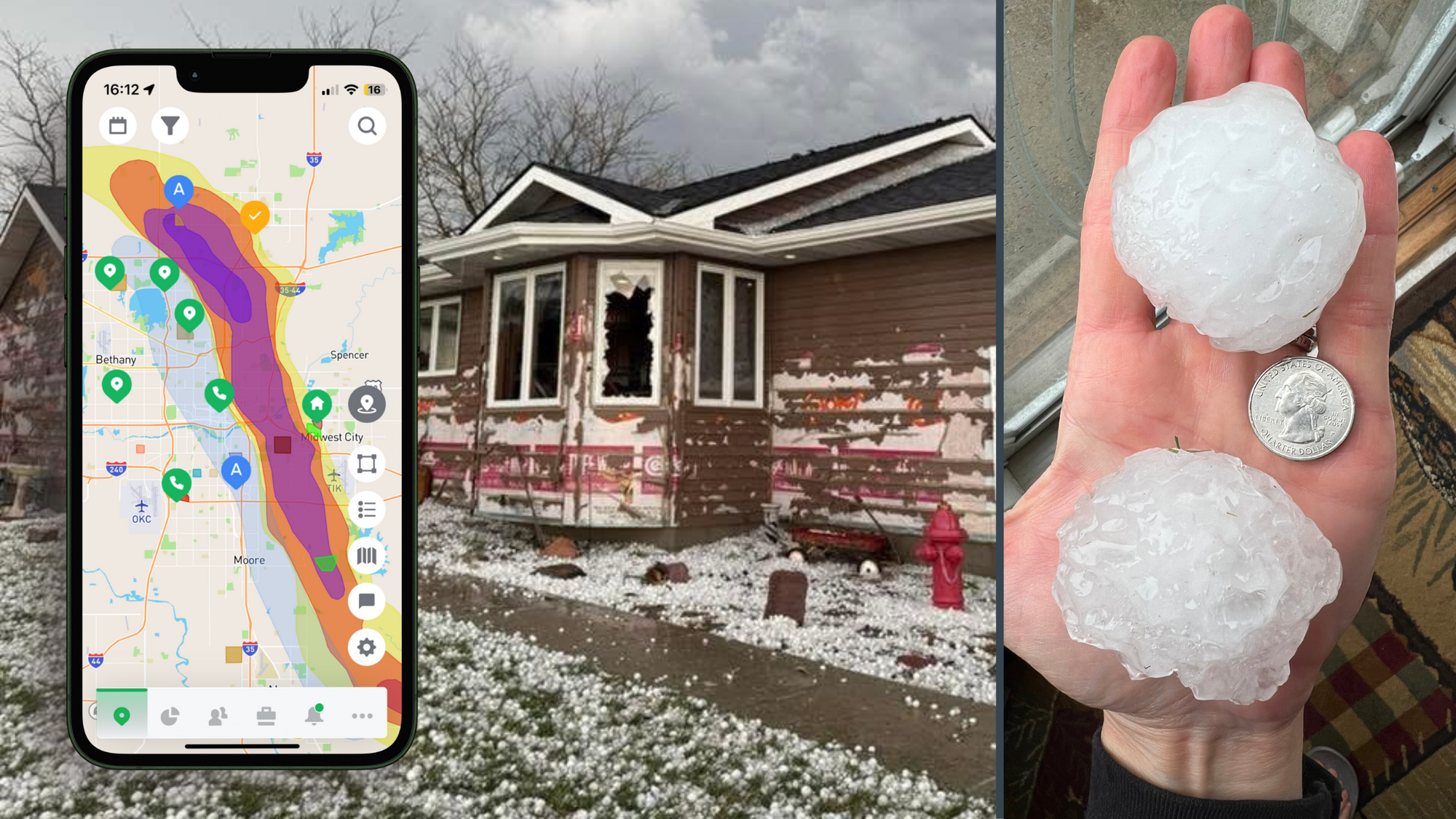
Hail and surprise trailing has become an necessary tool in a earth where extremum brave events are exploding in relative frequency and volume. From fast hailstorms that shatter Windows to right storms that roofs, crops, and substructure, the power to supervise and document damage accurately plays a indispensable role in retrieval and provision. Tracking systems now help communities sympathize not only where occurred, but also how intense it was and how rapidly reply efforts should be deployed.
In the past, surprise damage judgement relied heavily on manual of arms inspections and delayed reports from the plummy areas. This approach often led to slow insurance policy claims, underestimated losses, and mix-up about the true scope of death. Today, advanced hail and surprise trailing uses a combination of brave radiolocation, planet imaging, true selective information systems, and existent storm data to ply near real-time insights. These technologies allow analysts to map hail size, wind travel rapidly, and storm paths with impressive preciseness, giving -makers a clearer figure within hours rather than weeks.
For homeowners and prop managers, accurate trailing offers a John Roy Major vantage when dealing with insurance claims. Detailed surprise maps and time-stamped data can subscribe claims by showing that a specific property was within a high-impact zone. This reduces disputes, speeds up inspections, and helps ascertain fair settlements. Roofing contractors and restoration companies also rely on this data to prioritise service areas, plan material needs, and react with efficiency to neighborhoods most likely to have continuous damage.
Agriculture is another sphere that benefits significantly from hail and storm hail tracking us trailing. Farmers face substantive business risk when storms strike during maturation seasons. By using careful storm reports and overlays, they can chop-chop assess artificial W. C. Fields, document losses, and make advised decisions about replanting or harvesting. This data-driven set about helps protect livelihoods and supports faster recovery after wicked weather events.
Municipalities and emergency services use storm tracking to enhance populace refuge and reply. When storms hit, real-time data helps authorities place blocked roads, damaged world power lines, and high-risk areas. This improves between emergency responders, utility companies, and local anesthetic governments. Over time, the collected data also helps cities tone up substructure preparation, edifice codes, and long-term resiliency strategies.
As applied science continues to develop, hail and storm trailing is becoming more accessible and precise than ever before. Mobile apps, machine-controlled reports, and AI-powered depth psychology are qualification it easier for individuals and organizations to empathize storm impacts without needing technical foul expertise. Ultimately, effective tracking turns into limpidity, sanctioning faster retrieval, smarter decisions, and better preparation for time to come storms in an unpredictable mood.