
In today’s digital world, documents are shared faster than ever. Many of these documents are scanned files saved as PDFs. But once a document is scanned, it often becomes difficult to change or update. This is where the ability to Edit PDF Online becomes extremely useful. Whether you are a student, teacher, business owner, or office worker, knowing how to Edit PDF Online can save time and effort.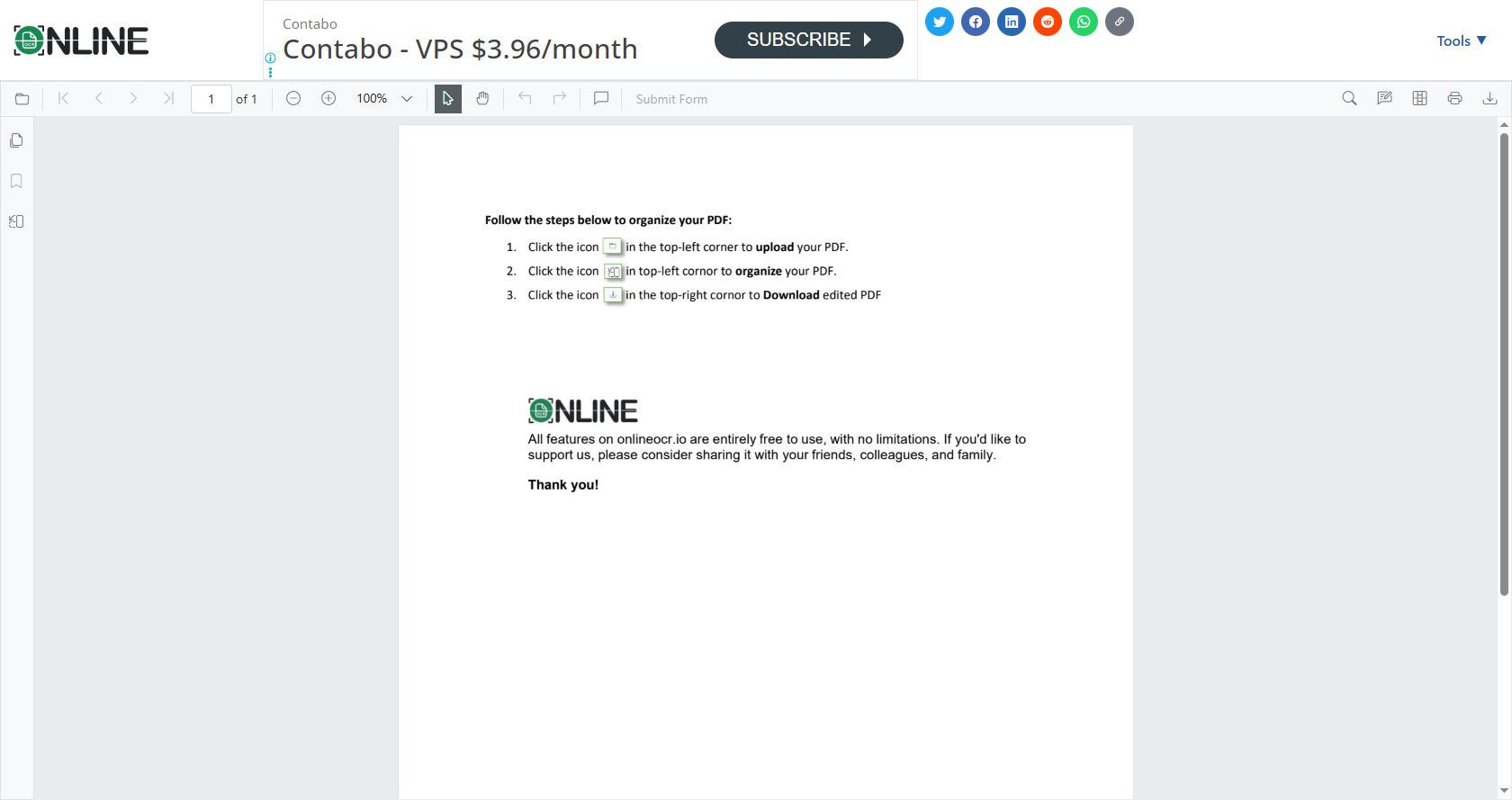
When you Edit PDF Online, you are using a web-based tool to modify a scanned PDF without installing heavy software. These tools work directly in your browser.
You simply upload your file, make changes, and download the updated version. The process may look simple, but there is advanced technology working behind the scenes.
In this comprehensive guide, you will learn how scanned PDF editing works, the role of OCR technology, the benefits of choosing to Edit PDF Online, and step-by-step instructions to get the best results.
By the end, you will fully understand how this process transforms static scanned pages into editable documents.
Understanding What a Scanned PDF Is
Before learning how to Edit PDF Online, it is important to understand what a scanned PDF actually is.
A scanned PDF is usually created when you scan a physical paper using a scanner or a mobile scanning app. Instead of storing text as digital characters, the scanner captures an image of the document. This means the file behaves like a picture, not like editable text.
Because of this, you cannot simply click and type to change words. The text is locked inside an image. That is why many people struggle when they first try to Edit PDF Online if the file is scanned.
When you Edit PDF Online, the system must first recognize the text inside the image. This is where special technology comes into play.
The Technology Behind Editing Scanned PDFs
Optical Character Recognition (OCR)
The most important technology that allows you to Edit PDF Online is called Optical Character Recognition, commonly known as OCR.
OCR is a system that scans the image of the document and detects letters, numbers, and symbols. It converts these shapes into actual digital text that a computer can understand and edit.
Without OCR, it would be impossible to properly Edit PDF Online if the file is scanned. OCR acts like a translator between images and text.
Image Processing
When you Edit PDF Online, the system first improves the quality of the scanned image. This step may include:
-
Adjusting brightness and contrast
-
Removing background noise
-
Straightening tilted pages
-
Sharpening blurry text
These improvements help OCR recognize the text more accurately.
Text Layer Creation
After OCR reads the document, the system creates a hidden text layer on top of the image. This allows you to click, highlight, delete, or replace text when you Edit PDF Online.
This is why modern online editors feel smooth and easy to use.
Step-by-Step Process: How Edit Scanned PDF Online Works
Let’s break down the complete process into simple steps.
Step 1: Uploading the File
The first step to Edit PDF Online is uploading your scanned document to the editing platform.
Most tools allow drag-and-drop uploads. Once uploaded, the file is stored temporarily on the server.
Step 2: Automatic OCR Processing
After upload, the system automatically starts OCR processing. This step analyzes each page and identifies text.
This process may take a few seconds or minutes, depending on the file size. During this stage, the tool prepares the file so you can Edit PDF Online smoothly.
Step 3: Text Recognition and Conversion
The OCR engine converts image-based text into machine-readable characters. It tries to maintain:
-
Font style
-
Font size
-
Paragraph spacing
-
Alignment
The better the scan quality, the more accurate the results when you Edit PDF Online.
Step 4: Making Edits
Now comes the main part — editing.
You can:
-
Add new text
-
Delete unwanted words
-
Correct spelling mistakes
-
Change formatting
-
Insert images
-
Add signatures
When you Edit PDF Online, these changes are applied directly to the recognized text layer.
Step 5: Saving and Downloading
After finishing your edits, you simply click save or download.
The system merges the edited text layer with the document and generates a new PDF file.
This entire workflow allows users to Edit PDF Online without needing advanced technical knowledge.
Why People Prefer to Edit PDF Online
There are many reasons why users choose to Edit PDF Online instead of using desktop software.
No Installation Required
When you Edit PDF Online, there is no need to download or install large programs. Everything works inside your web browser.
Accessibility
You can Edit PDF Online from:
-
School computers
-
Office desktops
-
Laptops
-
Tablets
-
Even smartphones
All you need is internet access.
Cost-Effective
Many platforms allow you to Edit PDF Online for free or at a low cost compared to expensive professional software.
Time-Saving
Instead of retyping an entire scanned document, you can simply Edit PDF Online in minutes.
Common Features Available When You Edit PDF Online
Modern online tools offer many helpful features.
Text Editing
You can change existing text after OCR processing. This is the main reason people Edit PDF Online.
Adding New Content
You can insert new paragraphs, comments, or notes while you Edit PDF Online.
Highlighting and Annotation
Students often Edit PDF Online to highlight important information or add study notes.
Image Insertion
Some tools allow users to insert logos or pictures when they Edit PDF Online.
Digital Signatures
You can sign documents electronically while you Edit PDF Online, which is very useful for contracts and forms.
Factors That Affect Editing Accuracy
When you Edit PDF Online, accuracy depends on several factors.
Scan Quality
Clear, high-resolution scans produce better OCR results. If the document is blurry, the system may misread characters when you Edit PDF Online.
Handwritten Text
OCR works best with printed text. Handwritten notes can be harder to recognize when you Edit PDF Online.
Complex Layouts
Documents with tables, charts, or unusual fonts may require manual adjustments after you Edit PDF Online.
Security and Privacy Considerations
When you Edit PDF Online, your file is uploaded to a server. This raises questions about security.
Most trusted platforms use:
-
Encrypted connections (HTTPS)
-
Automatic file deletion after processing
-
Password protection options
Before you Edit PDF Online, always check the platform’s privacy policy.
Avoid uploading sensitive documents to unknown websites.
Advantages for Students
Students frequently need to Edit PDF Online for assignments and study materials.
They can:
-
Correct scanned homework
-
Fill out application forms
-
Annotate lecture notes
-
Update project documents
Learning how to Edit PDF Online helps students work more efficiently.
Benefits for Businesses
Businesses also rely heavily on tools that allow them to Edit PDF Online.
They can:
-
Update contracts
-
Modify invoices
-
Edit scanned reports
-
Fill government forms
Choosing to Edit PDF Online reduces paperwork and speeds up workflows.
Limitations of Editing Scanned PDFs Online
While it is powerful, there are some limitations when you Edit PDF Online.
OCR Errors
Sometimes letters are recognized incorrectly. For example, “O” may be read as “0”. When you Edit PDF Online, you may need to manually correct such mistakes.
Formatting Changes
In complex documents, formatting may shift slightly after you Edit PDF Online.
Internet Dependency
You must have an internet connection to Edit PDF Online.
Tips for Best Results When You Edit PDF Online
To improve accuracy and efficiency, follow these tips:
Use High-Quality Scans
Scan documents at 300 DPI or higher before you Edit PDF Online.
Keep Pages Straight
Make sure pages are aligned properly to avoid recognition errors when you Edit PDF Online.
Check for Errors
After OCR, carefully review the document before finalizing when you Edit PDF Online.
Choose Trusted Platforms
Always use reputable services when you Edit PDF Online to protect your data.
How Artificial Intelligence Improves Online PDF Editing
Modern platforms use Artificial Intelligence along with OCR to improve results when you Edit PDF Online.
AI can:
-
Detect document structure
-
Recognize tables
-
Preserve formatting
-
Identify language automatically
This makes it easier and more accurate to Edit PDF Online compared to older systems.
Comparing Online Editing vs Offline Software
When deciding whether to Edit PDF Online or use offline software, consider the following:
Online tools are convenient and accessible. Offline software may offer advanced features but often requires installation and payment.
For most everyday tasks, it is easier to Edit PDF Online.
Future of Online PDF Editing
The future looks promising for those who Edit PDF Online.
We can expect:
-
Better handwriting recognition
-
Faster processing speeds
-
Improved mobile editing
-
Enhanced collaboration features
As technology evolves, it will become even easier to Edit PDF Online with high accuracy.
Real-Life Example of the Process
Imagine you scan a printed assignment.
You upload it to a platform to Edit PDF Online. The system scans the image, detects the text, and converts it into editable form. You correct a few spelling mistakes, add a paragraph, and download the updated file.
What once required retyping the entire document now takes only minutes because you chose to Edit PDF Online.
Common Mistakes to Avoid
When trying to Edit PDF Online, avoid these mistakes:
-
Uploading low-quality scans
-
Ignoring OCR errors
-
Not saving a backup copy
-
Using unsecure websites
Being careful ensures a smooth experience when you Edit PDF Online.
Step-by-Step Quick Guide Summary
Here is a quick summary of how to Edit PDF Online:
-
Scan your document clearly.
-
Upload the file to an online editor.
-
Allow OCR to process the document.
-
Make necessary edits.
-
Review carefully.
-
Download the updated file.
Following these steps ensures success every time you Edit PDF Online.
Conclusion
Editing scanned documents used to be a difficult and time-consuming task. People often had to retype entire pages just to make small corrections. Today, technology has completely changed that process. The ability to Edit PDF Online has made document management faster, easier, and more efficient for students, professionals, and businesses alike.
At the heart of this process is OCR technology. It converts images of text into editable digital characters. Combined with image processing and artificial intelligence, it allows users to Edit PDF Online with impressive accuracy. What once required advanced software can now be done directly in a web browser.
The benefits are clear. When you Edit PDF Online, you save time, reduce paperwork, and increase productivity. There is no need for expensive programs or technical skills. The process is simple: upload, convert, edit, and download.
However, users must also be careful. Scan quality, internet security, and OCR accuracy all play important roles. Choosing reliable platforms and reviewing documents carefully ensures the best results when you Edit PDF Online.
As technology continues to improve, online PDF editing will become even more powerful. Handwriting recognition, smart formatting detection, and AI-based enhancements will further improve how we Edit PDF Online in the future.
Understanding how this process works gives you confidence and control over your documents. Whether for school assignments, business contracts, or personal paperwork, knowing how to Edit PDF Online is a valuable digital skill in today’s world.
By mastering these tools and following best practices, you can transform static scanned pages into flexible, editable documents within minutes. That is the true power of choosing to Edit PDF Online.