
Water damage can happen anywhere and at any time. A leaking pipe, heavy rain, flooding, or poor ventilation can quickly create excess moisture inside a home or building.
When moisture remains trapped, mold can begin growing within just 24 to 48 hours. That is why Moisture mitigation & drying is one of the most important steps in protecting buildings, furniture, and indoor air quality.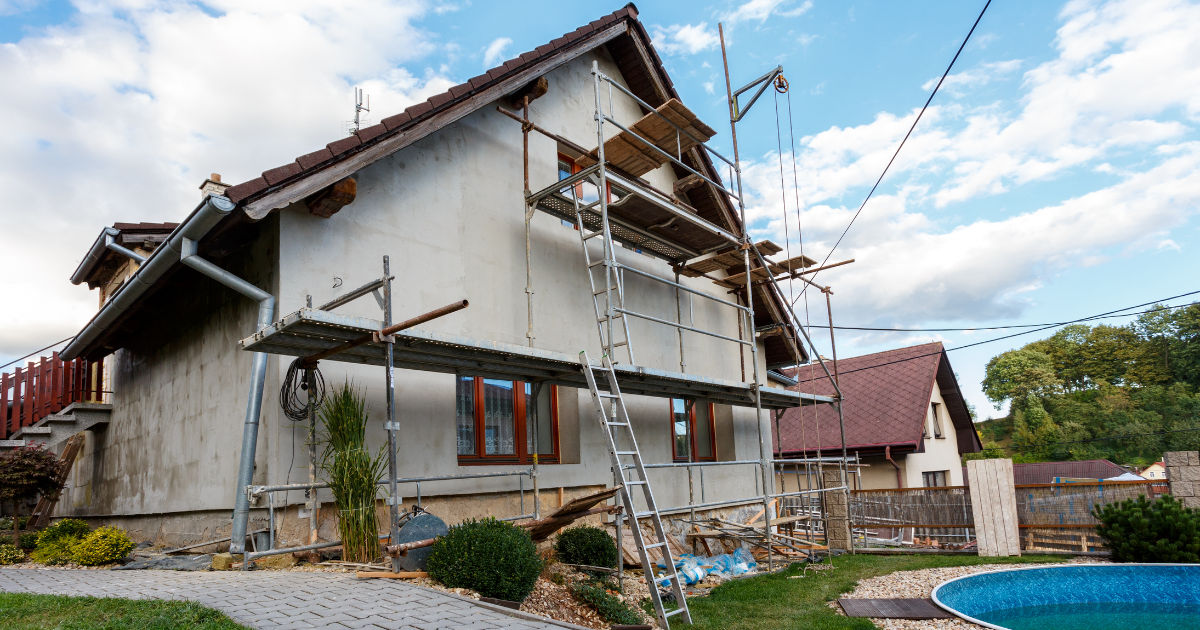
Moisture mitigation & drying helps remove excess water and humidity before mold has the chance to spread. It protects walls, floors, ceilings, and hidden spaces from long-term damage. Without proper drying methods, even a small amount of moisture can turn into a serious mold problem that affects both property and health.
This guide explains how Moisture mitigation & drying works, why it is essential for mold prevention, and what homeowners and businesses should know to keep their indoor environments safe and healthy.
Mold Growth
Mold is a type of fungus that grows in damp and humid environments. It spreads through microscopic spores that travel through the air. These spores can land on wet surfaces and begin multiplying quickly.
Mold thrives in places where moisture is present for long periods. Common areas include:
- Basements
- Bathrooms
- Crawl spaces
- Attics
- Kitchens
- Behind walls
- Under carpets
- Around leaking pipes
Warm temperatures and poor airflow make mold growth even faster. Once mold spreads, it can damage building materials and create unpleasant odors. Some forms of mold may also trigger allergies, respiratory issues, and other health concerns.
This is where Moisture mitigation & drying becomes critical. By removing moisture early, property owners can stop mold before it starts.
Why Moisture Causes Mold Problems
Moisture is the main fuel mold needs to survive. Mold spores exist almost everywhere, but they only become active when water is available.
Even a small water leak can create enough dampness for mold to grow. Moisture can soak into drywall, wood, insulation, carpet, and concrete. These materials absorb water and remain wet long after the visible water disappears.
If moisture is ignored, mold colonies can spread behind walls and under flooring where they are difficult to detect. This hidden mold can continue growing for months.
Moisture mitigation & drying interrupts this process by removing water from affected materials and lowering humidity levels.
What Is Moisture Mitigation & Drying?
Moisture mitigation & drying refers to the process of controlling, removing, and preventing excess moisture inside a structure. It includes specialized techniques and equipment designed to dry water-damaged areas thoroughly.
The process may involve:
- Water extraction
- Dehumidification
- Air circulation
- Structural drying
- Moisture monitoring
- Humidity control
The goal of Moisture mitigation & drying is not just to remove visible water. It also targets hidden moisture trapped inside materials and hard-to-reach spaces.
Professional drying services use advanced equipment to ensure every affected area becomes dry enough to prevent mold growth.
How Quickly Mold Can Develop
One of the biggest reasons Moisture mitigation & drying is so important is the speed at which mold can grow.
Mold development timeline:
Within 24 Hours
Moisture begins soaking into porous materials like drywall and wood.
Within 24 to 48 Hours
Mold spores begin activating and attaching to damp surfaces.
Within 3 to 5 Days
Visible mold colonies may appear.
Within One Week
Mold can spread throughout affected rooms and HVAC systems.
This timeline shows why immediate Moisture mitigation & drying is necessary after any water damage event.
The Science Behind Moisture Mitigation & Drying
Effective drying involves more than simply opening windows or using household fans. Professional Moisture mitigation & drying follows scientific principles to control evaporation and humidity.
Evaporation
Water trapped in materials must evaporate into the air before it can be removed. Air movers help increase airflow across wet surfaces to speed up evaporation.
Dehumidification
As moisture evaporates, humidity levels rise. Dehumidifiers remove moisture from the air so materials can continue drying.
Temperature Control
Warm air holds more moisture than cold air. Controlled temperatures improve drying efficiency.
Airflow Management
Proper airflow prevents moisture from settling into hidden areas.
Together, these steps create an environment where mold cannot survive.
Common Causes of Excess Moisture
Many situations can create conditions that require Moisture mitigation & drying.
Flooding
Storm floods and burst pipes often leave standing water inside buildings.
Roof Leaks
Damaged roofs allow rainwater to seep into ceilings and insulation.
Plumbing Problems
Leaking pipes behind walls can remain unnoticed for long periods.
High Humidity
Poor ventilation in humid climates increases moisture indoors.
Appliance Leaks
Dishwashers, washing machines, and water heaters may leak unexpectedly.
Condensation
Poor insulation can create condensation around windows and walls.
In all these cases, Moisture mitigation & drying helps stop mold before it becomes a major issue.
Signs of Hidden Moisture Problems
Moisture damage is not always obvious. Some signs may indicate hidden water issues.
Musty Odors
A damp or earthy smell often suggests mold growth.
Discolored Walls
Yellow or brown stains may indicate water intrusion.
Peeling Paint
Moisture behind walls can cause paint or wallpaper to bubble.
Warped Flooring
Wood floors may swell or buckle from excess moisture.
Increased Allergy Symptoms
Sneezing, coughing, and breathing issues may result from hidden mold.
When these signs appear, immediate Moisture mitigation & drying can help prevent further damage.
How Professionals Perform Moisture Mitigation & Drying
Professional restoration teams follow a step-by-step process to eliminate moisture effectively.
Inspection and Assessment
Specialists inspect the affected areas using moisture meters and thermal imaging tools. They identify visible and hidden moisture sources.
Water Removal
Standing water is extracted using pumps and industrial vacuums.
Drying Setup
Air movers and dehumidifiers are strategically placed throughout the structure.
Monitoring Moisture Levels
Technicians regularly measure moisture levels to ensure complete drying.
Cleaning and Sanitizing
Affected areas are cleaned to remove contaminants and prevent bacteria growth.
Final Verification
The structure is tested to confirm safe moisture levels before repairs begin.
This complete Moisture mitigation & drying process significantly lowers the risk of mold.
The Role of Dehumidifiers
Dehumidifiers are essential tools in Moisture mitigation & drying.
These machines pull moisture from the air and collect it in tanks or drainage systems. Lower humidity levels reduce the chance of mold growth.
There are two common types:
Refrigerant Dehumidifiers
These cool the air to condense moisture.
Desiccant Dehumidifiers
These use absorbent materials to remove moisture from the air.
Both types support faster and more effective drying.
Why Airflow Matters
Air circulation is another key component of Moisture mitigation & drying.
Without proper airflow, moisture remains trapped in materials. Air movers create continuous movement that speeds up evaporation.
Professionals carefully position fans to ensure all wet surfaces receive consistent airflow.
Good airflow also helps prevent stagnant air where mold thrives.
Moisture Mitigation & Drying in Different Areas of a Home
Different parts of a property require different drying approaches.
Basements
Basements are highly vulnerable to flooding and humidity. Dehumidifiers and sump pumps are often necessary.
Bathrooms
Bathrooms require strong ventilation to reduce condensation.
Kitchens
Appliance leaks and plumbing issues make kitchens moisture-prone.
Attics
Roof leaks and poor insulation can trap moisture in attics.
Crawl Spaces
Crawl spaces often need vapor barriers and controlled ventilation.
Each area benefits from proper Moisture mitigation & drying methods.
Health Benefits of Preventing Mold
Mold prevention is not only about protecting buildings. It also protects human health.
Exposure to mold can cause:
- Allergic reactions
- Asthma attacks
- Skin irritation
- Eye irritation
- Sinus problems
- Respiratory infections
Children, elderly individuals, and people with weakened immune systems may face greater risks.
Moisture mitigation & drying reduces these health hazards by preventing mold from developing in the first place.
Long-Term Structural Protection
Water damage weakens building materials over time.
Wood may rot. Drywall may crumble. Metal may corrode. Flooring may warp.
Moisture mitigation & drying helps preserve structural integrity by removing water before serious deterioration occurs.
This can save property owners thousands of dollars in repair costs.
The Importance of Fast Response
Time is critical after water damage occurs.
The faster Moisture mitigation & drying begins, the better the outcome. Delays allow water to spread deeper into materials and increase the chance of mold growth.
Emergency drying services are often available 24/7 because rapid action is so important.
Even minor leaks should be addressed immediately.
DIY Drying vs Professional Services
Some small spills can be handled by homeowners. However, larger water damage situations usually require professional Moisture mitigation & drying.
DIY Methods
Homeowners may use:
- Fans
- Household dehumidifiers
- Towels
- Wet vacuums
These methods may help with minor moisture problems.
Professional Services
Professionals use industrial-grade equipment and advanced moisture detection tools.
They can identify hidden moisture that homeowners may miss.
For severe water damage, professional Moisture mitigation & drying provides much better protection against mold.
Technologies Used in Modern Drying
The restoration industry continues improving drying technology.
Thermal Imaging Cameras
These detect hidden moisture behind walls and ceilings.
Moisture Meters
These measure moisture content inside materials.
Injectidry Systems
These systems dry wall cavities and hard-to-reach spaces.
HEPA Filtration
Air scrubbers remove airborne mold spores and contaminants.
Modern Moisture mitigation & drying methods are more accurate and effective than ever before.
Preventive Moisture Control Tips
Preventing excess moisture is easier than dealing with mold remediation later.
Fix Leaks Quickly
Repair leaking roofs, pipes, and appliances immediately.
Improve Ventilation
Use exhaust fans in kitchens and bathrooms.
Monitor Indoor Humidity
Keep humidity levels between 30% and 50%.
Use Dehumidifiers
Dehumidifiers help control moisture in humid environments.
Clean Gutters
Blocked gutters can lead to water intrusion.
Inspect Plumbing Regularly
Routine inspections help catch hidden leaks early.
These preventive steps support long-term Moisture mitigation & drying efforts.
The Connection Between Humidity and Mold
Humidity plays a major role in mold growth.
When indoor humidity rises above 60%, mold spores become more active. Condensation can form on windows, walls, and pipes.
Moisture mitigation & drying controls humidity levels to create an environment that discourages mold growth.
Humidity management is especially important in regions with hot and humid climates.
Commercial Buildings and Mold Prevention
Businesses also rely on Moisture mitigation & drying to protect their properties.
Water damage in commercial buildings can disrupt operations and create health concerns for employees and customers.
Commercial drying often involves:
- Large-scale dehumidification
- Industrial air movers
- Moisture mapping
- HVAC drying
Quick action helps businesses avoid downtime and costly repairs.
Insurance and Water Damage
Many property insurance policies cover sudden water damage events.
However, insurance companies often expect property owners to take immediate action to prevent further damage.
Prompt Moisture mitigation & drying demonstrates responsible property maintenance and may support insurance claims.
Ignoring moisture problems could lead to denied claims if mold develops due to neglect.
Environmental Benefits of Proper Drying
Moisture mitigation & drying can also reduce environmental waste.
When materials are dried quickly, many can be restored instead of replaced. This reduces landfill waste and conserves building resources.
Efficient drying also improves indoor air quality and energy efficiency.
Common Mistakes That Lead to Mold
Many property owners unintentionally create conditions for mold growth.
Ignoring Small Leaks
Tiny leaks can cause major hidden moisture damage over time.
Using Insufficient Drying Equipment
Household fans may not fully dry affected materials.
Closing Off Airflow
Poor ventilation traps humidity indoors.
Delaying Repairs
Waiting too long allows mold to spread rapidly.
Assuming Surfaces Are Dry
Materials may still contain hidden moisture beneath the surface.
Professional Moisture mitigation & drying helps avoid these costly mistakes.
How Moisture Mitigation & Drying Supports Indoor Air Quality
Indoor air quality affects comfort and health.
Excess moisture encourages mold, mildew, bacteria, and dust mites. These contaminants reduce air quality and may trigger health symptoms.
Moisture mitigation & drying removes the damp conditions that allow these pollutants to grow.
Cleaner air creates a healthier indoor environment for families and workers.
Seasonal Moisture Risks
Different seasons create different moisture challenges.
Spring
Heavy rains and flooding increase water intrusion risks.
Summer
High humidity levels create condensation problems.
Fall
Storm damage and roof leaks become more common.
Winter
Frozen pipes may burst and cause indoor flooding.
Year-round Moisture mitigation & drying awareness helps property owners stay prepared.
Why Mold Remediation Alone Is Not Enough
Some people focus only on removing visible mold. However, mold remediation without Moisture mitigation & drying often fails.
If moisture remains, mold usually returns.
Successful mold prevention requires identifying and eliminating the source of moisture first.
Drying is the foundation of long-term mold control.
The Financial Impact of Mold Damage
Mold damage can become extremely expensive.
Costs may include:
- Structural repairs
- Mold remediation
- Furniture replacement
- Temporary relocation
- Medical expenses
- Lost business revenue
Investing in proper Moisture mitigation & drying is far more affordable than dealing with extensive mold damage later.
Choosing a Moisture Mitigation & Drying Company
When hiring professionals, look for companies with:
- Certified technicians
- Modern equipment
- Emergency response services
- Positive customer reviews
- Experience with mold prevention
Qualified experts understand how to dry structures completely and safely.
Conclusion
Mold growth is one of the most common and damaging consequences of excess moisture inside homes and buildings. Once mold begins spreading, it can damage structures, reduce indoor air quality, and create serious health concerns. The best defense against mold is immediate and effective Moisture mitigation & drying.
By removing standing water, controlling humidity, improving airflow, and thoroughly drying materials, Moisture mitigation & drying prevents mold spores from finding the damp conditions they need to grow. Whether the moisture comes from flooding, leaks, humidity, or condensation, fast action is essential.
Modern drying technology allows professionals to detect hidden moisture and restore affected areas before mold becomes a major problem. Property owners who prioritize Moisture mitigation & drying protect not only their buildings but also the health and safety of everyone inside.
Preventive maintenance, quick response to water damage, and proper humidity control all play important roles in long-term mold prevention. In the end, Moisture mitigation & drying is more than a cleanup process. It is a critical strategy for preserving healthy indoor environments and preventing costly damage in the future.