
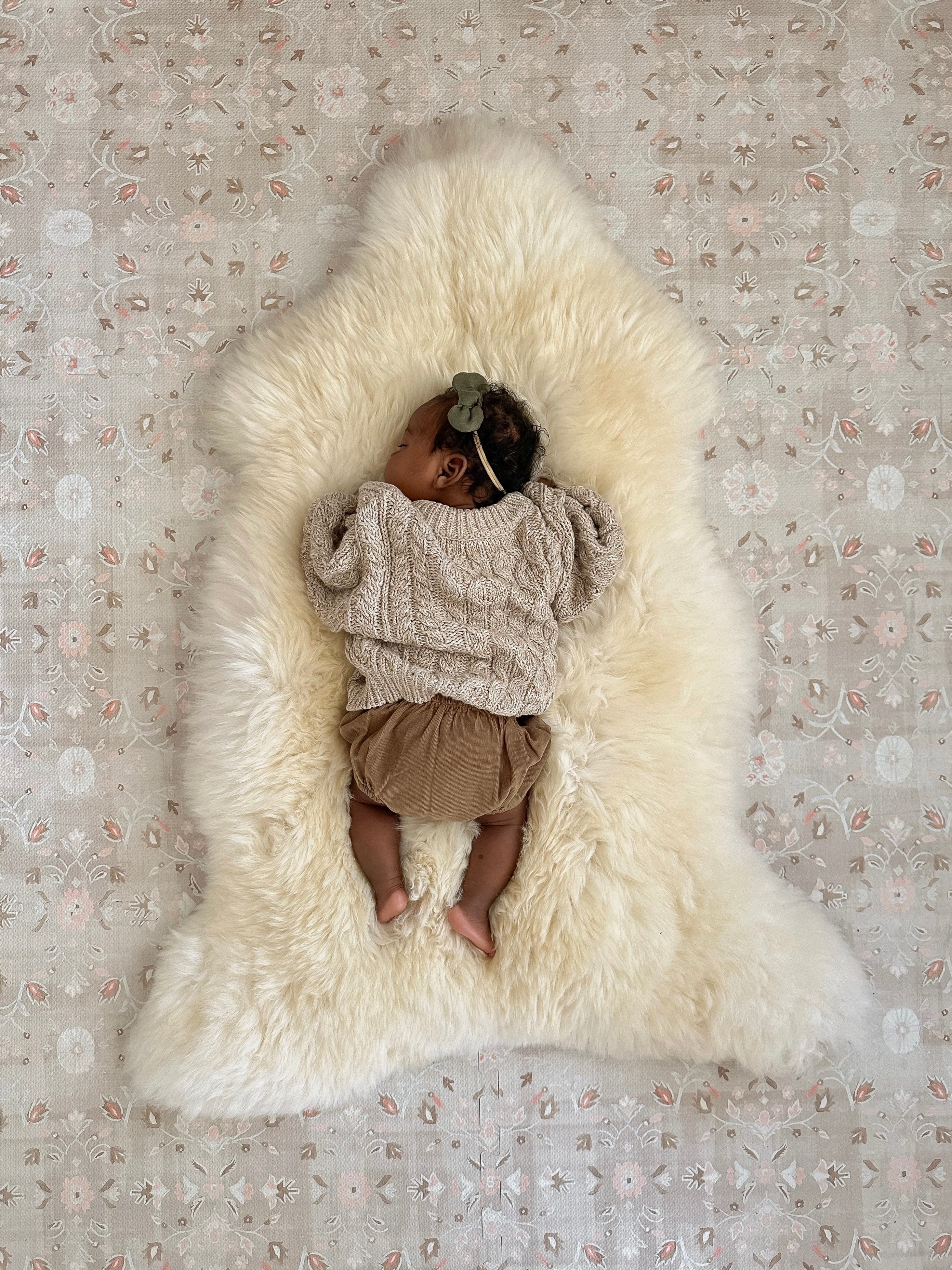
When one pictures sheepskin, the immediate image is often one of cozy comfort: a plush rug before a roaring fire, a soft-lined pair of boots, or a luxurious throw on a modern sofa. This perception, while accurate, barely scratches the surface of a material that is undergoing a quiet revolution. In 2024, the global sheepskin market is projected to reach a value of over $4.5 billion, driven not just by traditional demand but by a burgeoning interest in sustainable, natural, and ethically sourced materials. The narrative of adorable sheepskin is evolving from a simple byproduct of the meat industry into a champion of circular agriculture, artisanal craftsmanship, and surprisingly, therapeutic design. This shift reframes the very essence of what makes sheepskin so appealing—it’s not just adorable to look at; its story is becoming equally endearing.
The Circular Farm: A Case Study in Zero-Waste
The most significant transformation in the sheepskin narrative is its role in the circular economy. At “Green Acre Fibers,” a collective of small farms in New Zealand, the philosophy is one of total utilization. While wool is their primary product, the skins were historically a low-value byproduct. Today, they are a cornerstone of their sustainability model. By partnering with a local, eco-conscious tannery that uses plant-based tannins and water recycling systems, they transform these skins into premium, biodegradable products.
- Their process ensures that no part of the animal is wasted, honoring the sheep’s life fully.
- This model increases farm revenue by up to 18%, providing a crucial financial buffer for small-scale farmers.
- The resulting sheepskin is not only adorable but carries a powerful ethical provenance, appealing to a growing cohort of conscious consumers.
This case study demonstrates that the future of sheepskin lies in transparent, closed-loop systems where its inherent natural qualities are maximized, moving beyond a mere commodity to a symbol of responsible agriculture.
Urban Sanctuaries: Sheepskin as Biophilic Design Element
Another unique application redefining sheepskin’s adorability is in the realm of biophilic design, which seeks to connect indoor spaces with the natural world to improve well-being. A recent project by an interior design firm in Tokyo, “Studio Komorebi,” specifically incorporated sheepskin in a high-stress corporate wellness room. The designers chose sheepskin not for its aesthetic alone but for its tactile and psychological properties. A 2023 study on sensory design found that natural textures can reduce anxiety levels by up to 24%.
- The soft, irregular curls of the sheepskin provide a visual and tactile connection to nature, a rarity in a concrete jungle.
- Employees reported that the simple act of running their fingers over the wool provided a grounding, calming effect during breaks.
- This use positions sheepskin not as a rustic relic, but as a modern tool for mental health in urban environments.
Here, the adorability factor is functional; the innate, comforting appeal of the material is harnessed to create havens of tranquility, proving its value extends far beyond home decor.
The Artisan’s Canvas: Upcycled Sheepskin in Fashion
Beyond rugs and throws, a new generation of artisans is viewing sheepskin as a unique medium for wearable art. “Mend & Make Do,” a London-based collective, specializes in upcycling vintage and off-cut sheepskins into one-of-a-kind accessories. They see the natural markings, variations in color, and texture of each skin not as flaws, but as a narrative. A jacket might feature the unique freckling of a Herdwick sheep, while a bag showcases the silvery hue of a Gotland pelt.
- This approach challenges the fast-fashion model, creating heirloom pieces with a story.
- It reduces waste by utilizing smaller, irregular pieces that larger manufacturers would discard.
- Each piece is inherently adorable because it is unique, celebrating the individuality of the animal it came from.
This perspective transforms sheepskin from a uniform commodity into a canvas for creativity, where its adorable characteristics are highlighted through bespoke, sustainable design, making a powerful statement about consumption and beauty.
A Deeper Kind of Cute
The story of adorable sheep skin is no longer just about its cloud-like softness or its charming, curly locks. It is a story of environmental responsibility, where it represents a move towards zero-waste farming. It is