
Middle Eastern appetizers are known for their bold flavors, fresh ingredients, and simple preparation methods. In this guide, we will explore how middle eastern appetizers can be made quickly at home without losing their authentic taste.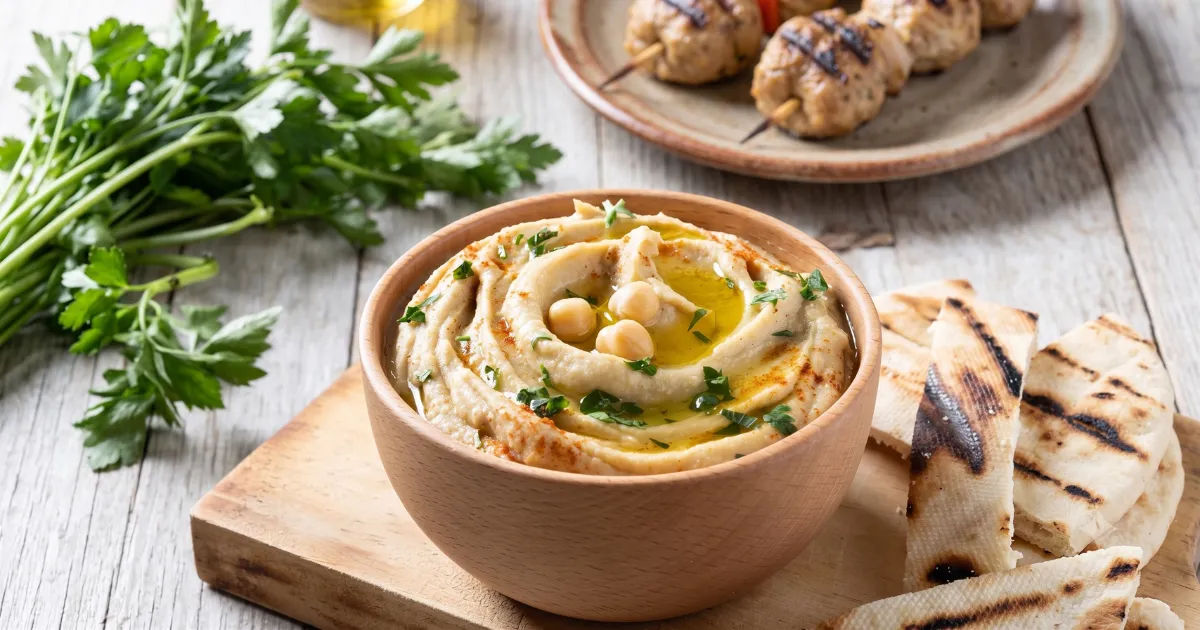
These middle eastern appetizers are perfect for parties, family dinners, or even quick snacks when you are short on time.Understanding middle eastern appetizers helps you appreciate how everyday ingredients like chickpeas, yogurt, olive oil, herbs, and spices are transformed into flavorful dishes. This article will show you exactly what makes them quick, healthy, and easy to prepare.
What Are Quick Middle Eastern Appetizers?
Quick Middle Eastern appetizers are small dishes inspired by traditional Levantine and broader Arab cuisine that can be prepared in under 30 minutes. These dishes focus on simplicity, freshness, and minimal cooking time.
Many middle eastern appetizers rely on no-cook or low-cook methods such as blending, mixing, roasting, or assembling ingredients. For example, Hummus requires only blending cooked chickpeas, tahini, lemon juice, and garlic.
Other middle eastern appetizers include dips, salads, wraps, and fried snacks that can be prepped quickly using pantry staples.
Why Middle Eastern Appetizers Are So Popular
The popularity of middle eastern appetizers comes from their balance of health and flavor. They are often plant-based, rich in fiber, and packed with nutrients.
Another reason people love middle eastern appetizers is their versatility. They can be served warm or cold, as snacks or full platters. Whether at a restaurant or home gathering, these dishes always feel fresh and satisfying.
Cultural influence also plays a big role. Many middle eastern appetizers are shared across countries like Lebanon, Syria, Jordan, Palestine, and Turkey, each adding their own twist.
Core Ingredients Used in Quick Appetizers
Most middle eastern appetizers use simple, everyday ingredients that are easy to find in any kitchen.
Common ingredients include:
- Chickpeas
- Olive oil
- Garlic
- Lemon juice
- Yogurt
- Fresh herbs like parsley and mint
- Eggplant
- Tahini
- Spices such as cumin, paprika, and sumac
These ingredients make middle eastern appetizers not only quick to prepare but also highly nutritious.
For example, Baba Ganoush is made by roasting eggplant and mixing it with tahini, garlic, and lemon juice.
Quick Dips: The Heart of Middle Eastern Appetizers
Dips are the fastest and most popular category of middle eastern appetizers.
Hummus Variations
Hummus is the foundation of many middle eastern appetizers. It can be made in minutes using canned chickpeas, making it one of the quickest recipes.
Variations include:
- Classic hummus
- Spicy chili hummus
- Beet hummus
- Garlic-heavy hummus
Each version of middle eastern appetizers brings a different flavor while maintaining the same creamy base.
Baba Ganoush
Baba Ganoush is another essential dip in middle eastern appetizers. It has a smoky flavor and creamy texture, making it a favorite for pita bread dipping.
Even though roasting eggplant takes time, quick versions of middle eastern appetizers use pre-roasted eggplant or microwave methods to save time.
Labneh
Labneh is a thick yogurt-based dip that is extremely fast to prepare. It is often topped with olive oil and herbs.
As part of middle eastern appetizers, labneh is served with bread or vegetables and requires no cooking at all.
Quick Fried and Baked Appetizers
Not all middle eastern appetizers are cold or raw. Some are lightly fried or baked but still quick to prepare.
Falafel
Falafel is one of the most famous middle eastern appetizers. Traditionally made from ground chickpeas, herbs, and spices, it is shaped into balls and fried.
Quick versions of middle eastern appetizers like falafel can use pre-soaked chickpeas or ready-made mixes to reduce preparation time.
Sambousek
Sambousek are small stuffed pastries filled with cheese, meat, or vegetables. They are similar to mini turnovers and are popular middle eastern appetizers for parties.
Pre-made dough helps make these middle eastern appetizers much faster to cook.
Fresh and No-Cook Appetizers
Some of the healthiest middle eastern appetizers require no cooking at all.
Tabbouleh
Tabbouleh is a fresh herb-based salad made with parsley, tomatoes, bulgur, lemon juice, and olive oil.
It is one of the lightest middle eastern appetizers, perfect for hot weather and quick meals.
Fattoush
Fattoush is a refreshing salad that includes fresh vegetables and toasted pita chips.
As one of the most colorful middle eastern appetizers, it is both crunchy and flavorful.
Wraps and Stuffed Breads
Wrap-style middle eastern appetizers are ideal for quick meals and snacks.
Pita Wraps
Pita bread can be filled with falafel, grilled vegetables, or dips like hummus. These middle eastern appetizers are portable and easy to customize.
Shawarma Bites
Mini shawarma wraps use thinly sliced meat or chicken with garlic sauce and pickles. These middle eastern appetizers are fast when using pre-cooked meat.
Quick Appetizer Preparation Tips
Making middle eastern appetizers quickly depends on smart preparation techniques.
- Use canned chickpeas instead of dried ones
- Pre-chop herbs and store them in containers
- Keep basic sauces ready in the fridge
- Use store-bought pita bread
- Blend dips in a food processor
These tricks make middle eastern appetizers much faster to prepare without losing taste.
Serving Ideas for Middle Eastern Appetizers
Presentation is important for middle eastern appetizers, especially when serving guests.
You can serve them as:
- A mezze platter with dips and bread
- Small appetizer plates for parties
- Wrap stations where guests build their own food
- Family-style shared bowls
A well-arranged platter of middle eastern appetizers always creates a welcoming dining experience.
Health Benefits of Middle Eastern Appetizers
One of the biggest advantages of middle eastern appetizers is their health profile.
They often include:
- Healthy fats from olive oil
- Plant-based protein from chickpeas
- Fiber from vegetables and legumes
- Probiotics from yogurt-based dishes
Because of these ingredients, middle eastern appetizers are considered both filling and nutritious.
Even fried options like falafel can be made healthier using air frying techniques while still keeping the essence of middle eastern appetizers intact.
Common Mistakes to Avoid
When preparing middle eastern appetizers, beginners often make simple mistakes.
Some common ones include:
- Overusing spices, which can overpower flavor
- Not balancing acidity with lemon juice
- Using dry or stale bread for serving
- Overcooking fried items like falafel
Avoiding these mistakes helps ensure your middle eastern appetizers taste authentic and balanced.
Variations Across the Middle East
Different regions have unique versions of middle eastern appetizers.
In Lebanon, salads and dips are more common. In Egypt, fried snacks are popular. In Turkey, pastries and stuffed dishes dominate.
Despite differences, all middle eastern appetizers share a common goal: bringing people together through shared plates and bold flavors.
Why You Should Try Making Them at Home
Preparing middle eastern appetizers at home is both fun and practical. You can control ingredients, adjust flavors, and make healthier versions of restaurant dishes.
They are also budget-friendly, which makes middle eastern appetizers ideal for students, families, and beginners in cooking.
Once you learn the basics, you can mix and match recipes to create your own style of middle eastern appetizers.
Conclusion
Quick preparation methods have made middle eastern appetizers more accessible than ever before. From creamy dips like hummus and labneh to fresh salads like tabbouleh and fattoush, these dishes offer something for everyone.
Whether you prefer fried snacks like falafel or no-cook options, middle eastern appetizers are flexible, healthy, and delicious. They bring together simple ingredients and transform them into flavorful dishes that suit any occasion.
In the end, middle eastern appetizers are more than just food—they are a cultural experience that reflects tradition, hospitality, and creativity. By learning how to prepare them quickly, you can enjoy authentic flavors anytime without spending hours in the kitchen.