
If you have ever wondered what happens after an old, damaged, or unwanted vehicle reaches a salvage yard, you are not alone. Many people think a car's journey ends once it is towed away, but that is far from the truth.
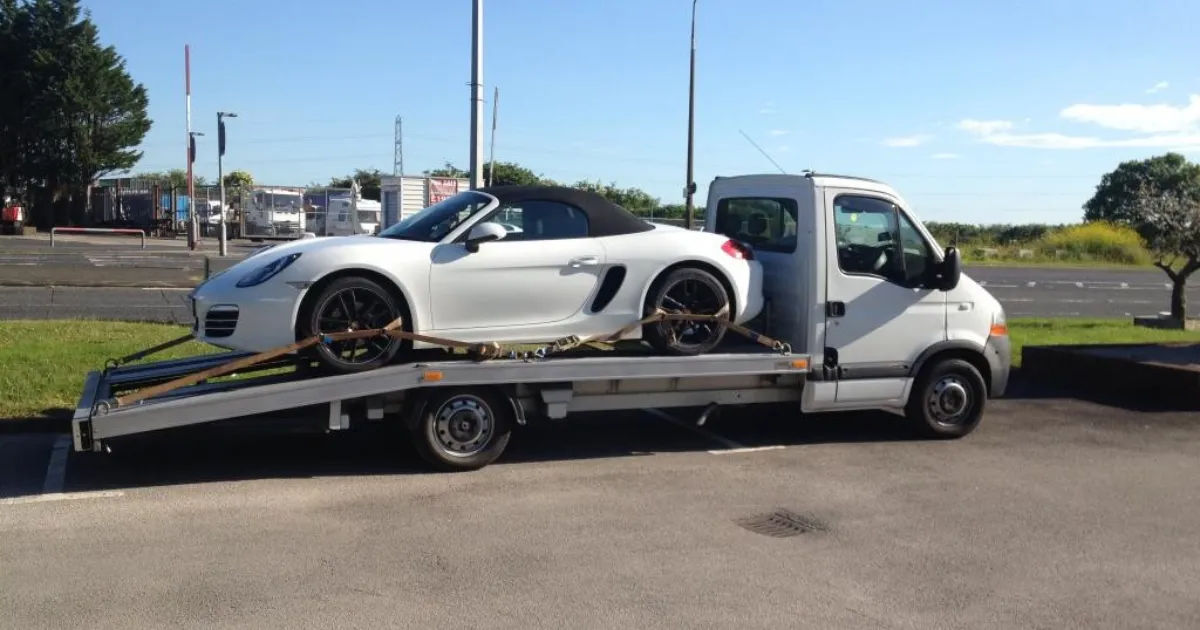
Wreckers Geelong play an important role in giving vehicles a second life through recycling, dismantling, and responsible disposal. Every vehicle that enters a salvage yard goes through a detailed process that helps recover valuable parts, protect the environment, and reduce waste.
Whether a vehicle has been involved in an accident, reached the end of its lifespan, or simply become too expensive to repair, salvage yards ensure that as much of it as possible is reused or recycled. This guide explains every stage of the process and shows why salvage yards are an essential part of the automotive industry and environmental sustainability.
A Salvage Yard
A salvage yard is a specialized facility where old, damaged, unwanted, or written-off vehicles are collected, inspected, dismantled, and recycled. Instead of allowing these vehicles to end up in landfills, professionals recover usable components and recycle valuable materials.
Modern salvage yards are highly organized businesses that follow environmental guidelines and safety standards. They help reduce pollution while providing affordable used car parts to vehicle owners, repair shops, and mechanics.
The work performed by wreckers geelong contributes to both the economy and the environment by making the best possible use of every vehicle.
Why Vehicles End Up at a Salvage Yard
Vehicles arrive at salvage yards for many different reasons.
Accident Damage
Many insurance companies declare heavily damaged vehicles as total losses. Although repairing them may not be economical, many parts remain in excellent condition.
Mechanical Failure
Older vehicles often suffer from expensive engine or transmission problems that cost more to repair than the vehicle's actual value.
Age and Wear
Cars eventually reach the end of their useful lives after years of driving. Rust, corrosion, and worn-out components make continued operation impractical.
Flood or Fire Damage
Natural disasters can seriously damage vehicles. Even if the vehicle cannot safely return to the road, some parts may still be reusable.
Unwanted Vehicles
Many owners simply decide it is time to replace an older vehicle and send it to a salvage yard for recycling.
The Vehicle Arrival Process
Every vehicle follows a structured process once it reaches the yard.
Vehicle Registration
The first step involves recording vehicle information, including:
- Registration details
- Vehicle Identification Number (VIN)
- Make
- Model
- Year
- Ownership documents
Proper documentation ensures legal compliance throughout the dismantling process.
Initial Inspection
Experts inspect the vehicle carefully to determine:
- Overall condition
- Damage level
- Valuable components
- Safety risks
- Recycling opportunities
This inspection helps create a dismantling plan.
Many wreckers geelong use digital inventory systems that record every recoverable component.
Removing Hazardous Materials
Before dismantling begins, hazardous substances must be safely removed.
Fuel Removal
Remaining petrol or diesel is drained using specialized equipment.
Oil Drainage
Engine oil, transmission fluid, brake fluid, and power steering fluid are carefully collected.
Coolant Extraction
Radiator coolant is removed and stored for proper disposal or recycling.
Air Conditioning Gas Recovery
Refrigerant gases are extracted using approved recovery systems to prevent environmental damage.
Battery Removal
Car batteries contain hazardous chemicals and lead. They are removed first and sent for recycling.
This stage protects workers while preventing contamination of soil and groundwater.
Evaluating Reusable Parts
Not every vehicle is completely destroyed.
Many components still have years of useful life remaining.
Professionals inspect parts such as:
- Engines
- Gearboxes
- Alternators
- Starter motors
- Doors
- Mirrors
- Bumpers
- Headlights
- Tail lights
- Wheels
- Seats
- Steering racks
- Airbags (where legally permitted)
- Suspension components
High-quality parts are cleaned, tested, labeled, and stored for resale.
This process helps customers save money on vehicle repairs.
Professional Vehicle Dismantling
Once reusable parts have been identified, dismantling begins.
Exterior Component Removal
Workers remove:
- Bonnet
- Doors
- Fenders
- Boot lid
- Bumpers
- Side mirrors
- Glass
These components may be sold if they remain in good condition.
Interior Removal
The cabin is dismantled carefully.
Workers remove:
- Seats
- Dashboard
- Stereo systems
- Steering wheels
- Instrument clusters
- Seat belts
- Switches
- Interior trim
Many of these items remain in high demand.
Mechanical Component Removal
The engine and drivetrain receive special attention.
Mechanics carefully remove:
- Engine
- Transmission
- Driveshaft
- Differential
- Radiator
- Exhaust system
- Suspension
- Brake components
Experienced wreckers geelong ensure valuable parts are removed without damage.
Cleaning and Testing Parts
Reusable components undergo quality checks before resale.
Technicians inspect:
- Wear levels
- Cracks
- Corrosion
- Performance
- Electrical operation
Some parts are pressure washed or cleaned using specialized equipment.
Mechanical components may be tested before being placed into inventory.
Customers receive quality parts at significantly lower prices than new replacements.
Inventory Management
Modern salvage yards use computerized inventory systems.
Each part receives:
- Product code
- Vehicle compatibility
- Condition report
- Storage location
- Price
This organized system helps customers quickly locate the parts they need.
Many businesses also list inventory online for easier searching.
Metal Recycling Process
Once reusable parts have been removed, the remaining vehicle shell still contains valuable materials.
Steel Recycling
Steel makes up most of a vehicle's weight.
After dismantling, the metal body is crushed and sent to recycling facilities where it becomes raw material for manufacturing new products.
Aluminum Recovery
Many modern vehicles contain lightweight aluminum components.
These materials are separated and recycled for future use.
Copper Recycling
Electrical wiring contains copper that has significant recycling value.
Workers remove wiring harnesses before shredding begins.
The recycling efforts of wreckers geelong help reduce mining activities while conserving natural resources.
Tire Recycling
Old tires are carefully removed before vehicle crushing.
Rather than entering landfill, they may become:
- Playground surfaces
- Running tracks
- Road materials
- Landscaping products
- Rubber mats
Some tires that remain in good condition may even be resold.
Glass Recycling
Vehicle glass is also recycled whenever possible.
Windscreens and windows are processed separately because laminated and tempered glass require different recycling methods.
Recovered glass can be used in:
- New glass manufacturing
- Construction materials
- Insulation products
Plastic Recycling
Modern vehicles contain many plastic components.
Examples include:
- Dashboards
- Door panels
- Bumpers
- Trim pieces
- Grilles
- Fluid reservoirs
These plastics are sorted by material type before recycling into new products.
Vehicle Crushing
After reusable parts have been removed, the remaining vehicle body is crushed.
Large hydraulic crushers compress the vehicle into a compact block.
This makes transportation easier while reducing storage space.
The crushed metal is then transported to industrial recycling facilities.
Vehicle Shredding
At specialized recycling centers, crushed vehicles enter powerful shredders.
Large machines break the remaining vehicle into smaller pieces.
Advanced sorting systems separate:
- Steel
- Aluminum
- Copper
- Plastic
- Rubber
Each material enters its own recycling stream.
Almost every part of the vehicle can eventually become a new product.
Environmental Benefits of Salvage Yards
Vehicle recycling provides major environmental advantages.
Reduced Landfill Waste
Millions of old vehicles would otherwise occupy valuable landfill space.
Salvage yards dramatically reduce this waste.
Conservation of Natural Resources
Recycling metals decreases the need for new mining operations.
This preserves valuable natural resources.
Lower Energy Consumption
Producing steel from recycled metal uses much less energy than manufacturing it from raw ore.
Reduced Pollution
Proper disposal of oils, fuels, and chemicals prevents contamination of soil and water.
Responsible wreckers geelong help maintain cleaner communities.
Economic Benefits
Salvage yards also strengthen the local economy.
Affordable Repairs
Used components cost significantly less than brand-new parts.
This helps vehicle owners reduce repair expenses.
Job Creation
Salvage yards employ:
- Mechanics
- Technicians
- Drivers
- Dismantlers
- Sales staff
- Environmental specialists
Manufacturing Support
Recycled metals provide affordable raw materials for manufacturers.
Who Buys Salvage Parts?
Many different customers purchase recycled auto parts.
These include:
- Individual car owners
- Automotive repair shops
- Panel beaters
- Restoration enthusiasts
- Fleet operators
- Mechanics
- Vehicle exporters
Quality recycled components often perform just as well as new ones.
Safety Standards at Modern Salvage Yards
Professional salvage facilities prioritize worker safety.
Employees wear:
- Safety helmets
- Protective gloves
- Steel-toe boots
- Eye protection
- Hearing protection
Heavy machinery is operated only by trained personnel.
Environmental regulations are followed throughout every stage.
Technology Used in Modern Salvage Yards
Today's salvage yards use advanced equipment.
Examples include:
Computerized Inventory Systems
Every reusable part is digitally tracked.
Hydraulic Lifting Equipment
Heavy engines and transmissions are removed safely.
Fluid Recovery Machines
Specialized equipment captures hazardous liquids without spills.
Diagnostic Equipment
Electronic parts may be tested before resale.
Technology helps wreckers geelong improve efficiency while maintaining high-quality standards.
Common Myths About Salvage Yards
Myth 1: Everything Is Scrap
Many vehicles contain hundreds of perfectly usable components.
Myth 2: Used Parts Are Poor Quality
Professional salvage yards inspect and test many parts before selling them.
Myth 3: Salvage Yards Harm the Environment
Modern facilities actually protect the environment through proper recycling.
Myth 4: Only Old Cars Are Accepted
Vehicles of nearly every age may enter a salvage yard after accidents or insurance write-offs.
How Customers Benefit
Customers enjoy several advantages when purchasing recycled parts.
Lower Costs
Savings often range from 40% to 70% compared to new parts.
Better Availability
Some discontinued parts are only available through salvage yards.
Sustainable Repairs
Buying recycled parts reduces environmental impact.
Genuine Manufacturer Components
Original factory parts often fit better than aftermarket alternatives.
This is one reason many customers rely on wreckers geelong for replacement components.
Choosing a Reliable Salvage Yard
A trustworthy salvage yard should offer:
- Professional customer service
- Proper licensing
- Organized inventory
- Tested parts
- Fair pricing
- Environmental compliance
- Experienced staff
- Transparent warranties where available
Researching customer reviews can also help identify reputable businesses.
The Future of Salvage Yards
Vehicle recycling continues to evolve.
Electric vehicles, hybrid technology, and advanced electronics require new dismantling techniques.
Future salvage yards will increasingly recover:
- Electric motors
- High-voltage batteries
- Advanced sensors
- Cameras
- Infotainment systems
- Autonomous driving components
As automotive technology changes, recycling methods will continue improving to recover even more valuable materials.
Conclusion
A salvage yard is much more than a place where old vehicles are stored. It is a highly organized recycling center that gives damaged and unwanted vehicles a second purpose. From careful inspections and hazardous fluid removal to professional dismantling, reusable parts testing, metal recycling, and environmentally responsible disposal, every stage plays an important role in reducing waste and conserving valuable resources.
The work performed by wreckers geelong benefits vehicle owners, repair businesses, manufacturers, and the environment alike. Affordable recycled parts help reduce repair costs, while responsible recycling keeps hazardous materials out of landfills and lowers demand for new raw materials. Modern salvage yards combine skilled workers, advanced technology, and sustainable practices to ensure that nearly every vehicle contributes something useful even after its driving life has ended.
As the automotive industry continues to evolve with electric vehicles and advanced technologies, salvage yards will remain an essential part of responsible vehicle recycling. Their ability to recover valuable materials, extend the life of automotive components, and support environmental conservation makes them an indispensable part of the circular economy.